
Equity Case Study:
Raleigh, NC
How Raleigh, NC Funded Green Stormwater Solutions through Rainwater Rewards
| Region | Southeast USA | Principle | Deliver Benefits |
| City | Raleigh, NC | Best Practice | Site green infrastructure with an equity lens |
| Population | 476,000 |
“I am so proud of Raleigh for creating this incentive to minimize rainwater runoff and to help keep the rain in our yards. It is an excellent program.”
–Anonymous respondent to a satisfaction survey
Project Description
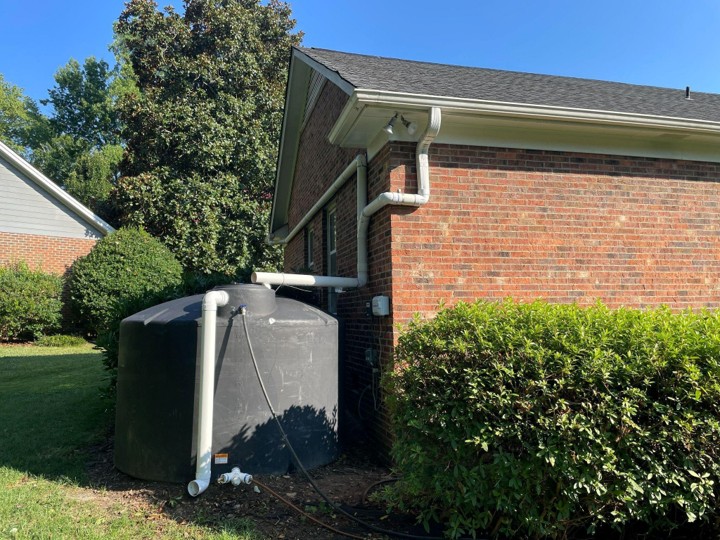
The Raleigh Rainwater Rewards Subsidy Program incentivizes property owners to implement green stormwater infrastructure above and beyond any regulatory requirements by offering a cost-share of up to 75–90% for materials and construction. Participants can choose from a variety of green infrastructure practices, including but not limited to rain gardens, cisterns, green roofs and permeable pavement systems. Over its 14-year history, the program has grown significantly, with a sharp increase in project participation over the last six years due to a rebranding of the program name, targeted outreach and increased staffing and funding levels.
Best Practices in Action
In 2023, staff piloted a subsidy initiative to augment the traditional Rainwater Rewards program to support up to 100% of project costs for communities that were disproportionately impacted by the Covid-19 pandemic with funding from the American Rescue Plan Act (ARPA).
- Households earning 80% or less of the Area Median Income (AMI)
- Nonprofits that serve the community
- Rental properties offering rates aligned with 80% AMI
Disproportionately impacted regions were identified using data from the North Carolina Department of Environmental Quality and Wake County. Raleigh Stormwater’s eligibility for the Rainwater Rewards Subsidy Pilot was guided by input from several City departments. It is worth noting that the program faced challenges due to ARPA’s stringent timelines that encumbered funding, as Raleigh Rainwater Rewards projects are voluntary and may be implemented by property owners within a flexible one-year timeframe after application approval. After successfully installing four projects, remaining funds were reallocated, but new grant funding has since been secured to continue the pilot and refine its implementation.