
Design & Build Case Study:
Toronto, ON, Canada
How Toronto, Ontario is Supporting Green Infrastructure Projects with User-Friendly Design Standards Informed Through a Collaborative Internal Process
| Region | Southern Ontario | Principle | Establish Design Standards |
| City | Toronto, ON | Best Practice | Make standards user-friendly |
| Population | 3,025,000 | ||
| Partners | City of Toronto | ||
“When tools are easy to use, better projects follow.”
–Anisha Patel, City of Toronto
Project Description
Since 2023, Toronto has been working across divisions on an initiative to further support green infrastructure design in the city. The Green Streets program has come out of this commitment to green infrastructure meeting multiple environmental and climate goals. While the City of Toronto has existing policies, programs, and design standards that support green infrastructure project development, more tools and resources were needed to support staff. City staff involved with the oversight of green infrastructure design recognized they had limited capacity to provide expertise on every project design and noticed there were missed opportunities to leverage existing green infrastructure policies. In response, staff began a process of updating existing design resources and creating new design guidance based on what they had learned through green infrastructure projects. Currently, resources are in progress for both internal designers at the city and private developers. These design resources are expected to be complete in 2026.
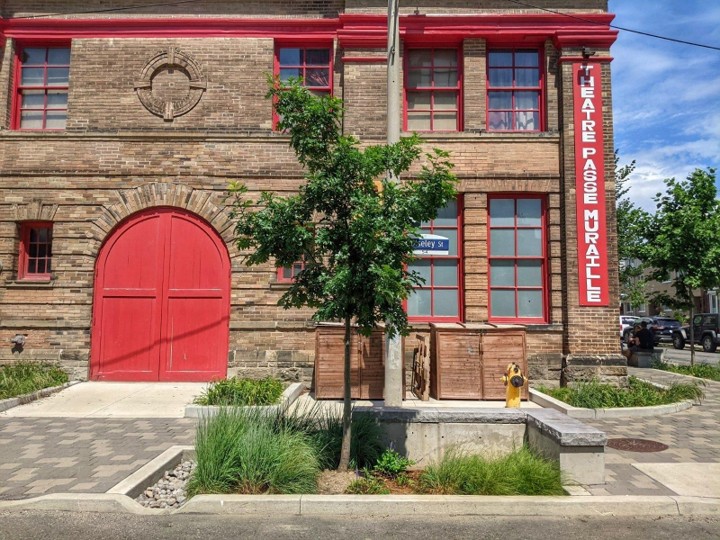
Bioretention project on Wolseley Street in Toronto
Best Practices in Action
As the process began, the city established a clear mission to create user-friendly resources. The city’s planning division brought together representatives from transportation, water, urban forestry, and engineering and construction services to collaborate on these design resources. The working group for this initiative meets bi-weekly allowing for continuous progress on the development of these resources. With various competing objectives, these conversations take time and structure. The working group established a governance model to help resolve issues when they arise.
One of the resources in development to support designers is a set of streetscape plans for different street types. As designers are developing these plans, varying objectives come up between departments that need to be resolved. Holding early conversations to elevate different needs and priorities of various departments, such as urban forestry and the water division, leads to more effective collaboration and improved design processes.
Key Learnings
Collaborate early across divisions
Engaging forestry, utilities, engineering, and maintenance at the launch of the project prevents costly redesigns. Design resources can also be responsive to multi-departmental needs.
Identify limiting factors
The team saw that they had limited capacity to lend their expertise to each and every project. Increasing capacity by adding design guidance resources can streamline the design process for internal designers and private developers.
Set up governance models
Establishing a governance model has allowed the working group to navigate challenging decision points and continue to make progress towards developing design resources.